



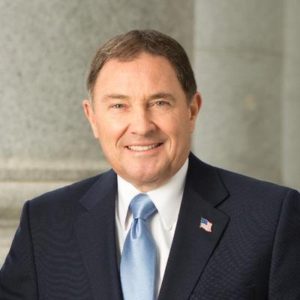
SALT LAKE CITY-Wednesday, as part of the Utah Coronavirus Task Force’s weekly briefing, Utah Gov. Gary Herbert unveiled Utah Leads Together 3.0 at the Utah State Capitol Building.
To start things off, Herbet said Utah is “doing really great” in regard to handling the pandemic.
The Beehive State, he reported, is working on “the most comprehensive” response plan to COVID-19.
Herbert called the plan [Utah Leads Together 3.0] “dynamic” and subject to change based on data.
Herbert confirmed that “Utahns have done a good job at following regulations to slow the spread of the virus.”
Herbert lauded the fact that Utah’s healthcare system is not overwhelmed at this stage.
In the event a second wave of the virus should occur, he said, the healthcare system in the Beehive State will be prepared.
He then exhibited pathos when speaking of those who have lost their lives because of COVID-19 and he admonished residents to be cautious around the “high-risk vulnerable population.”
Herbert continued, saying the Pew Research Center reports Utah is in the best position in the country following the pandemic.
He also cited a study conducted by Forbes suggesting that experts like the Wasatch Front’s chances to bounce back relatively swiftly.
Herbert confirmed “Utah’s rainy day budget is full,” an apt metaphor when considering that Salt Lake City received its first measurable rain fall in the past 33 days. He also alluded to the Beehive State’s testing capacity.
Herbert concluded his remarks, saying he is optimistic about a positive outcome occurring.
Utah State epidemiologist Angela C. Dunn then spoke, saying “it’s on all of us to protect those in high-risk populations.”
She admonished Utahns to protect those who are “highly susceptible to the virus.”
Byron Russell, the co-chair for the Utah Multicultural Commission then spoke. He confirmed the state is aware of the high infection rate of the virus among Utahns of color.
He confirmed his subcommittee is working toward fixing “systemic disparities” minority populations in Utah face.
Russell said these disparities entailed such things as “food, housing, insecurity, deportation, lack of information and economic vulnerability.”
Natalie Gouchnor, the director of the Kem C. Gardner Policy Institute at the University of Utah then explained Utah Leads Together 3.0.
Gouchnor confirmed this new plan allows Utah to “triage” high-risk population and move toward economic stability.
She confirmed 70 percent of unemployment claims in Utah come from those who have been furloughed.
She also confirmed that the Beehive State’s unemployment rate has been dropping for 5 consecutive weeks.
She stated that those who are out of work should be able to head back within the next 30-60 days. Because the economic recovery plan is tricky, Gouchnor said, Utah is in need of flexible policies.
Herbert then fielded questions from the media, saying, when asked about Utah moving to green, [We want to]”get to green as soon as possible. We don’t want to jeopardize progress if an untoward surge [of COVID-19] should occur.”
Herbert concluded, saying “we will let the data drive us,” but “we are not back to normal yet.”