


HONOLULU (AP) —
The Latest on a plane crash in Hawaii that killed 11 sky divers (all times local):
5:25 pm
Federal investigators will review repair and inspection records on the skydiving plane that became inverted before crashing shortly after takeoff on Oahu’s North Shore, killing all 11 people on board in the deadliest civil aviation accident since 2011.
The same plane sustained substantial damage to its tail section in a 2016 accident while carrying skydivers over Northern California.
Repairs were then made to get the plane back into service, National Transportation Safety Board officials said at a news conference Sunday.
“We will be looking at the quality of those repairs and whether it was inspected and whether it was airworthy,” the NTSB’s Jennifer Homendy said.
The plane was equipped to carry 13 people, she said.
“Weight and balance has a factor in the safety of these operations and that’s a calculation that needs to be made before a plane is operated,” she said.
In the 2016 incident, the twin-engine plane stalled three times and spun repeatedly before the pilot managed to land it after the skydivers jumped out, the NTSB said in its investigative report. The plane was too heavily weighted toward the back, which was blamed on the pilot.
The plane remains on the field at Dillingham Airfield, and it could stay there for three or four days before being removed to a secure location. The airport remains closed.
The NSTB will issue a preliminary report in about two weeks. The final report, which will include the cause of the accident, could take up to two years, but Homendy said the NTSB has at times issued urgent safety recommendations before the final report, if warranted.
Friday’s crash was the most deadly civil aviation accident in the United States since a 2011 Reno Air Show wreck killed a pilot and 10 spectators in Nevada.
Officials have not named the victims in Friday’s North Shore crash. An official with the mayor’s office said Monday would be the earliest any information is released.
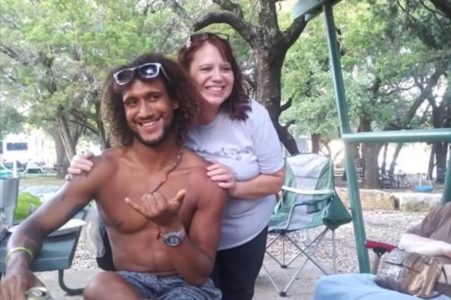
However, at least one family is sharing their grief before getting the official word, saying Casey Williamson, 29, was one of the victims.
Williamson’s love of adventure led him to winter snowboarding in Vail, Colorado, and summer skydiving in Moab, Utah. A year-and-a-half ago, he found his way to Hawaii, where he could skydive year-round.
Williamson was his mother Carla Ajaga’s only child, his cousin Natacha Mendenhall said.
“We’re all very upset,” said Mendenhall, speaking from her home in Fort Worth, Texas. “She cannot really talk right now. What she wants everyone to know is how full of life her son was, how loving he was.”
Williamson, who was from Yukon, Oklahoma, worked as an instructor and as a videographer who filmed customers as they dove. He was trying to earn more jumping hours and learn the trade, Mendenhall said.
Williamson’s family has not been officially notified of his death. But they provided Honolulu police with Williamson’s name and date of birth, and the police confirmed he was on the flight, Mendenhall said.
Police told the Honolulu Star-Advertiser that the victims were nine men and two women. Both women and three of the men were all in their late 20s. Police, who didn’t return messages to The Associated Press, didn’t have ages on the six others.
Homendy with the NTSB asked anyone with information about the accident, including if they have photos or video, to share that with the agency.
Steven Tickemyer said he saw the plane take flight, get 75 to 100 feet (22 to 30 meters) off the ground and turn away from the mountain range nearby.
He said the plane then started to nosedive and flip over belly forward so that it was upside down. The aircraft then flipped over again and hit the ground nose first. There was an explosion when it hit the ground.
This all transpired in about 20 to 30 seconds, said Tickemyer, who watched from a beach across the street where he was attending a friend’s small wedding ceremony.
He and his friends hopped in his truck, called 911 and drove over to help. They screamed to see if anyone would respond, but no one did, he said.
The flight was operated by the Oahu Parachute Center skydiving company. The ratio of employees to customers aboard suggested that tandem jumps may have been planned in which the customers would have jumped while attached to experienced skydivers, Tim Sakahara, a spokesman for the Hawaii Department of Transportation, told reporters.
Witness Wylie Schoonover saw the plane flying over trees while driving from a nearby YMCA camp after picking up a friend. Then she saw smoke billowing from the airfield and drove over.
There was an “insane amount of fire,” she said.
“It didn’t even look like a plane. A bunch of people were asking ‘what is this?’ It was completely gone,” Schoonover said.
The plane with two turboprop engines was manufactured in 1967, Federal Aviation Administration records said.
No one answered the phone at Oahu Parachute Center on Sunday, which advertises its services on a web site saying its jumps offer people “a magical experience.” Tandem jumps are featured at prices ranging from $170 to $250.
Dillingham Airfield is used mostly for skydiving and glider flights. Hawaii shares the airfield with the Army, which uses it for helicopter night-vision training.
12:15 p.m.
The National Transportation Safety Board says it will examine repair and inspection records on the skydiving plane that crashed and killed 11 people on Oahu’s North Shore.
The NTSB’s Jennifer Homendy told reporters at the crash site Sunday that those and other records will all become part of the investigation and final report. The same plane sustained tail damage in a California accident in 2016.
A preliminary report is expected in 10 to 14 days.
Homendy said the plane was equipped to carry 13 people, but that weight and balance checks need to be conducted before each flight.
She said the airplane banked shortly after takeoff and crashed inverted. No one aboard survived, making it the deadliest civil aviation incident since 2011.
The airport remains closed during the investigation.
9:25 a.m.
Some details are starting to be released about the 11 victims who died when a plane carrying sky divers crashed near a small airport on the North Shore of Oahu.
Police told the Honolulu Star-Advertiser that the victims were nine men and two women.
Both women and three of the men were all in their late 20s. Police, who didn’t return messages to The Associated Press, didn’t have ages on the six others.
Names of the victims have not been released. A spokesman for the mayor’s office says the earliest any information will be released by the Honolulu medical examiner’s office will be Monday.
The crash appeared to be the worst U.S. civil aviation accident since a 2011 accident at the Reno Air Show in Nevada that killed the pilot and 10 spectators.
___
12:00 a.m.
Casey Williamson’s love of adventure led him to winter snowboarding in Vail, Colorado, and summer skydiving in Moab, Utah. A year-and-a-half ago, he found his way to Hawaii, where he could skydive year-round.
On Friday, the 29-year-old was among 11 killed when their skydiving plane crashed and burned at a coastal airfield on the island of Oahu. It was the worst civilian aviation accident in the U.S. since 2011.
Williamson was his mother Carla Ajaga’s only child, his cousin Natacha Mendenhall said.
“We’re all very upset,” said Mendenhall, speaking from her home in Fort Worth, Texas. “She cannot really talk right now. What she wants everyone to know is how full of life her son was, how loving he was.”
Williamson, who was from Yukon, Oklahoma, worked as an instructor and as a videographer who filmed customers as they dove. He was trying to earn more jumping hours and learn the trade, Mendenhall said.
Williamson’s family has not been officially notified of his death. But they provided Honolulu police with Williamson’s name and date of birth, and the police confirmed he was on the flight, Mendenhall said.
No one aboard survived the crash, which left a small pile of smoky wreckage near the chain link fence surrounding Dillingham Airfield about an hour north of Honolulu.
Steven Tickemyer said he saw the plane take flight, get 75 to 100 feet (22 to 30 meters) off the ground and turn away from the mountain range nearby.
He said the plane then started to nosedive and flip over belly forward so that it was upside down. The aircraft then flipped over again and hit the ground nose first. There was an explosion when it hit the ground.
This all transpired in about 20 to 30 seconds, said Tickemyer, who watched from a beach across the street where he was attending a friend’s small wedding ceremony.
He and his friends hopped in his truck, called 911 and drove over to help. They screamed to see if anyone would respond, but no one did, he said.
The crash appeared to be the worst U.S. civil aviation accident since a 2011 accident at the Reno Air Show in Nevada that killed the pilot and 10 spectators.
Officials in Hawaii initially reported that nine people had died and that three of them were customers of the skydiving company operating the plane and that six were employees. But the Hawaii Department of Transportation tweeted Saturday that officials later “confirmed there were 11 people on board the plane” and no survivors. They were not identified.
The flight was operated by the Oahu Parachute Center skydiving company. The ratio of employees to customers aboard suggested that tandem jumps may have been planned in which the customers would have jumped while attached to experienced skydivers, Tim Sakahara, a spokesman for the Hawaii Department of Transportation, told reporters.
Witness Wylie Schoonover saw the plane flying over trees while driving from a nearby YMCA camp after picking up a friend. Then she saw smoke billowing from the airfield and drove over.
There was an “insane amount of fire,” she said.
“It didn’t even look like a plane. A bunch of people were asking ‘what is this?’ It was completely gone,” Schoonover said.
Two Federal Aviation Administration inspectors went to the crash site Friday, and National Transportation Safety Board investigators were expected to arrive Saturday evening, safety board spokesman Eric Weiss said.
The same plane was involved in a terrifying midair incident three years ago in Northern California that prompted the 14 skydivers aboard to jump earlier than planned to safety.
In that 2016 incident near Byron, California, the twin-engine plane stalled three times and spun repeatedly before the pilot at that time managed to land it safely, the National Transportation Safety Board said in an investigative report. The report blamed pilot error and said that the plane rotated nine times during one of the three spins it experienced.
Investigators found that the plane had lost a piece of horizontal stabilizer and that the plane’s elevator had broken off. The plane was also too heavily weighted toward the back, which was also blamed on the pilot.
The plane with two turboprop engines was manufactured in 1967, FAA records said.
No one answered the phone at Oahu Parachute Center, which advertises its services on a web site saying its jumps offer people “a magical experience.” Tandem jumps are featured at prices ranging from $170 to $250.
Videos from the company’s Facebook page show jumps from the plane that crashed, with customers strapped to employee skydivers jumping out the side door of the aircraft from 10,000 feet (3,000 meters) or higher, with the Pacific Ocean and the Oahu’s green mountains far below.
Dillingham Airfield is used mostly for skydiving and glider flights. Hawaii shares the airfield with the Army, which uses it for helicopter night-vision training.